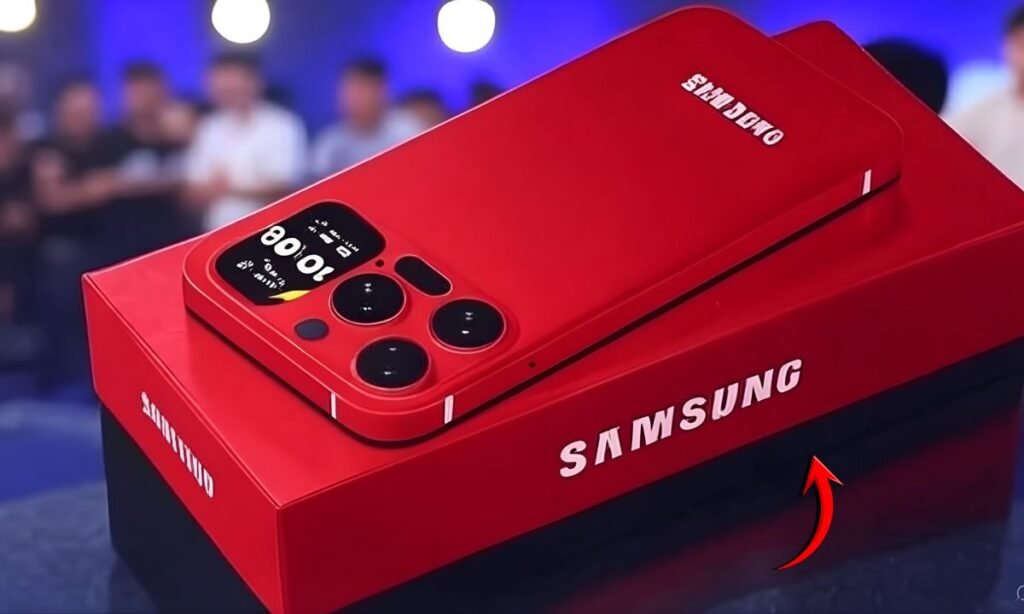
It looks like Samsung is slowing down while Chinese flagship phones get ready to jump ahead with big 200MP sensors in 2026. Samsung is stepping back from this upgrade. On November 28, Ice Universe shared a post that confirmed what many phone camera fans were already worried about. Samsung is quietly stopping its biggest 200MP camera plan, and this gives Chinese brands a clear chance to move forward.

A surprising change for Samsung fans
This news may shock many Samsung users. Trusted leaker Ice Universe and other Chinese sources say Samsung has canceled the development of its long-rumored 1/1.1-inch 200MP ISOCELL sensor. It was known as HP9 or something similar. Instead of this new sensor, the Galaxy S26 Ultra and S27 Ultra will keep using the old 1/1.3-inch 200MP ISOCELL HP2 sensor. This sensor was first used in the Galaxy S23 Ultra in 2023.

Samsung might use the same sensor for years
Some reports even say Samsung might continue using the same HP2 sensor until the Galaxy S29 Ultra in 2029. While Samsung stays with old camera hardware, other companies are going in the opposite direction. Sony and OmniVision have already started mass production of much larger 200MP sensors.
Here is a simple table showing the differences:
| Sensor | Size | Key Features |
|---|---|---|
| Sony LYTIA LYT-901 | 1/1.12-inch | Dual-conversion gain HDR, 0.8 um pixels |
| OmniVision OVB0D | 1/1.1-inch | 108 dB single-exposure dynamic range, 4-cell HDR |
Chinese brands quickly adopting the new sensors
These new Sony and OmniVision sensors have around 30-40 percent more light-gathering area than the Samsung HP2 sensor. They also give better low-light photos. Brands like Vivo, Oppo, Xiaomi, and Honor have confirmed they will use these new sensors starting early 2026.

A huge gap in camera quality
The difference between these sensors is very large. While Chinese flagship phones will use sensors bigger than many mirrorless camera sensors, Samsung will stay with older hardware that is already three to six years old. Many users are confused and do not understand why Samsung is slowing down.
Why Samsung is stepping back
Industry experts say the main reason is the high cost of making larger sensors. They say Samsung’s mobile division has low profit margins, so the company may be trying to save money. On social media, especially Twitter (X), people are not happy. Ice Universe’s post, which included a funny cartoon showing Samsung reusing the same camera for years, went viral with over 15 million views. Many photography fans were upset and even called for a boycott.

What this means for smartphone buyers
For users who care a lot about camera quality, 2026 looks like the year Chinese brands will take the lead. Samsung, which was once the clear leader in phone cameras, now seems to be playing it safe. Instead of being the most innovative brand, Samsung may slowly become the more conservative option.
Conclusion
Samsung choosing old camera hardware gives Chinese brands a big chance to move ahead in 2026. With larger and more advanced 200MP sensors, Chinese phones may offer better photos, especially in low light. If Samsung does not change its plan, it may lose camera-focused users who want new and powerful features.
Disclaimer
This article is based on reports, leaks, and industry sources available at the time of writing. The information may change as companies update their plans or make new announcements. Specifications, features, and timelines are not confirmed by Samsung. Readers should check official sources before making any purchase decisions. This content is for general information only.
FAQs
What sensor did Samsung cancel?
Samsung canceled its planned 1/1.1-inch 200MP ISOCELL sensor.
Which sensor will Samsung keep using?
Samsung will keep using the 200MP ISOCELL HP2 sensor.
Which brands will use the new Sony and OmniVision sensors?
Vivo, Oppo, Xiaomi, and Honor will use them from early 2026.
Why is Samsung not using a bigger sensor?
Experts say the cost of larger sensors is too high for Samsung right now.
Will Chinese brands lead in camera quality?
Yes, they are expected to lead from 2026.